Pine cone
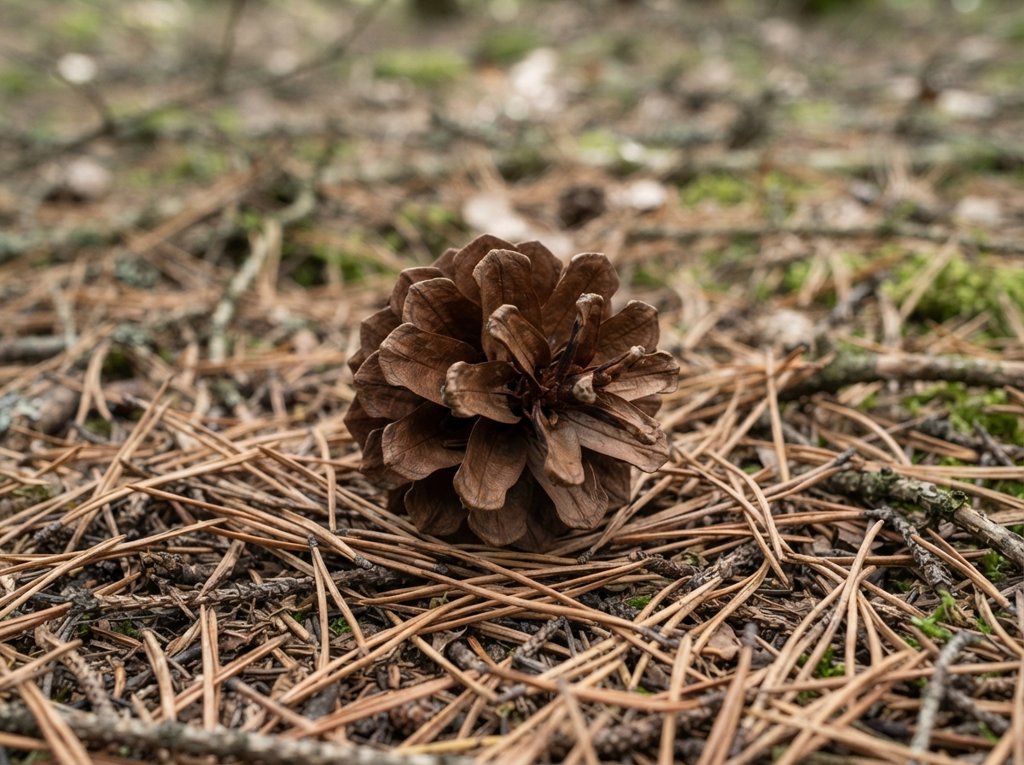
Pine cones open in dry weather and close in wet weather, making them nature’s way of not looking outside.
Acorn
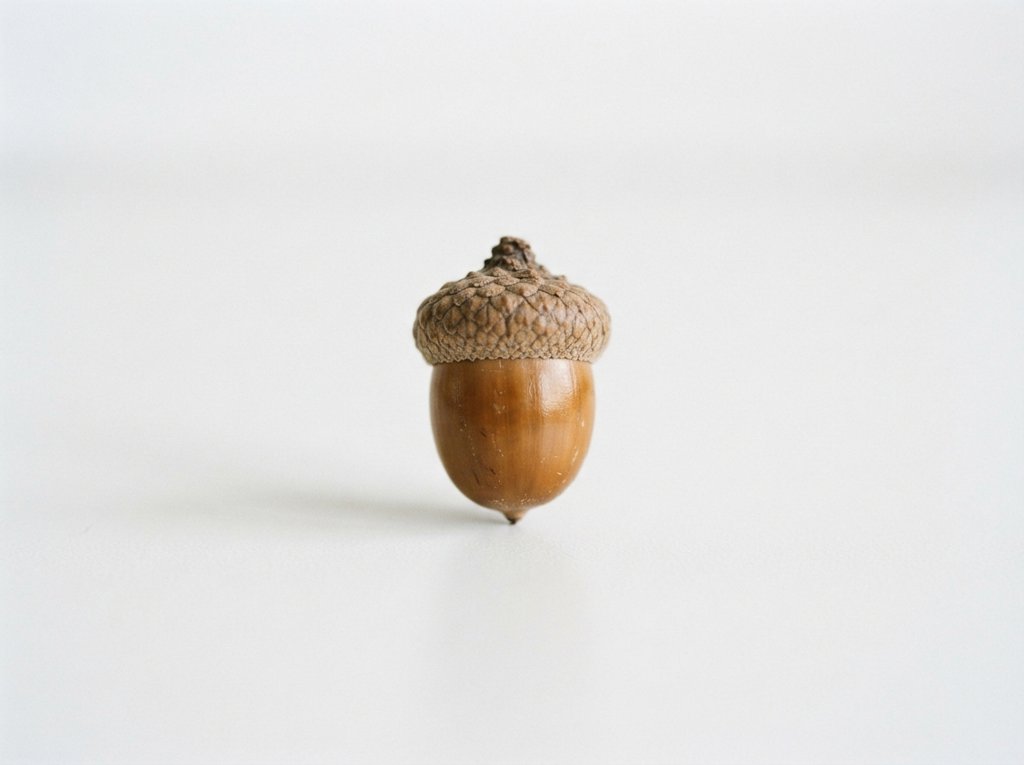
Mighty oaks from little acorns grow; little acorns from mighty oaks fall, usually on whoever is underneath.
Moss
Moss grows on the north side of trees, and any side moss grows on is, for that reason, north.
Dandelion
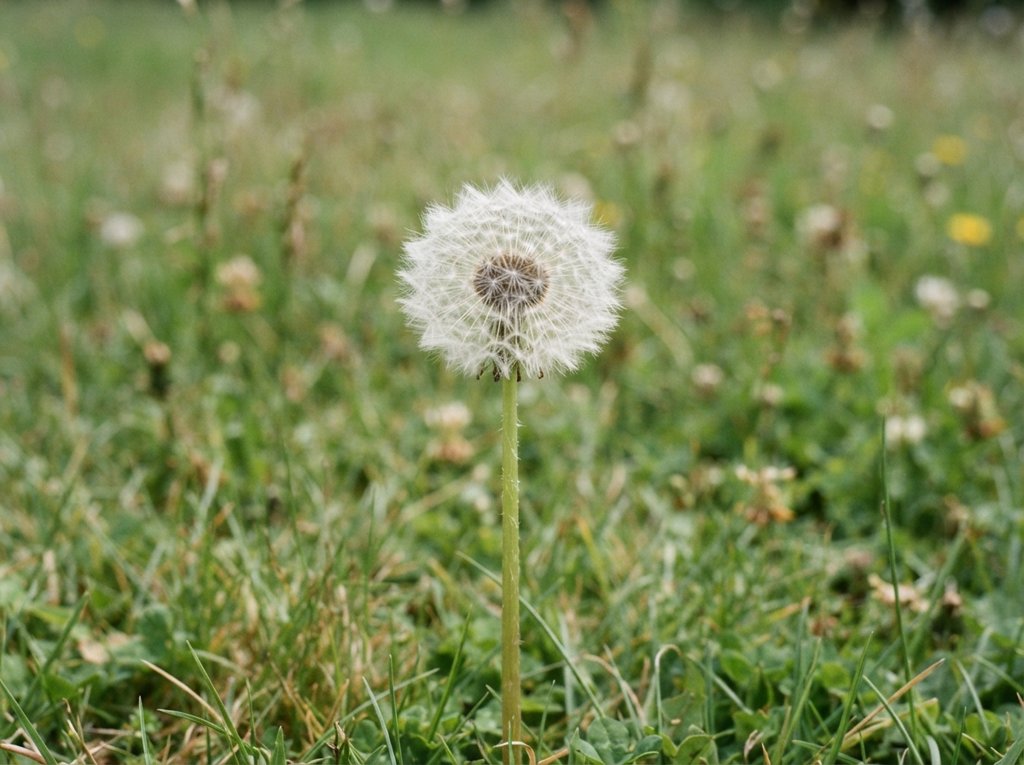
The dandelion is a yellow flower that becomes a clock, then a wish, then next year’s lawn.
Cactus
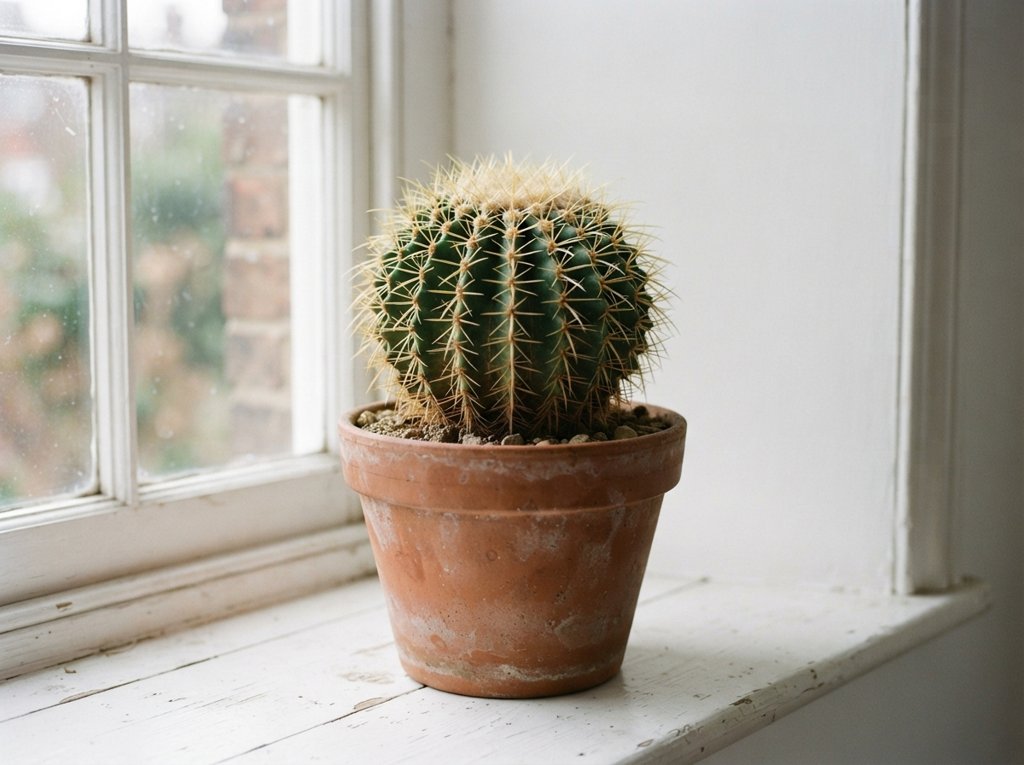
A cactus stores water for later; botanists watching one since 1984 report that later has not yet come.
Four-leaf clover
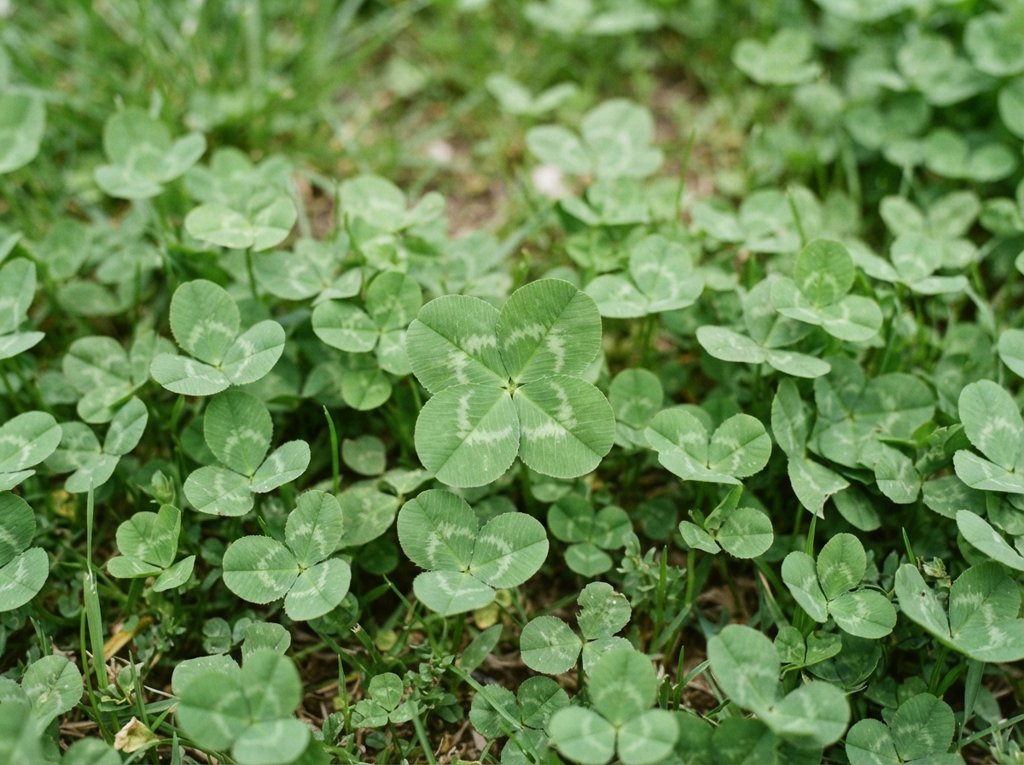
Only about one clover in every 5,000 to 10,000 has four leaves, and the record is 56.
Venus flytrap
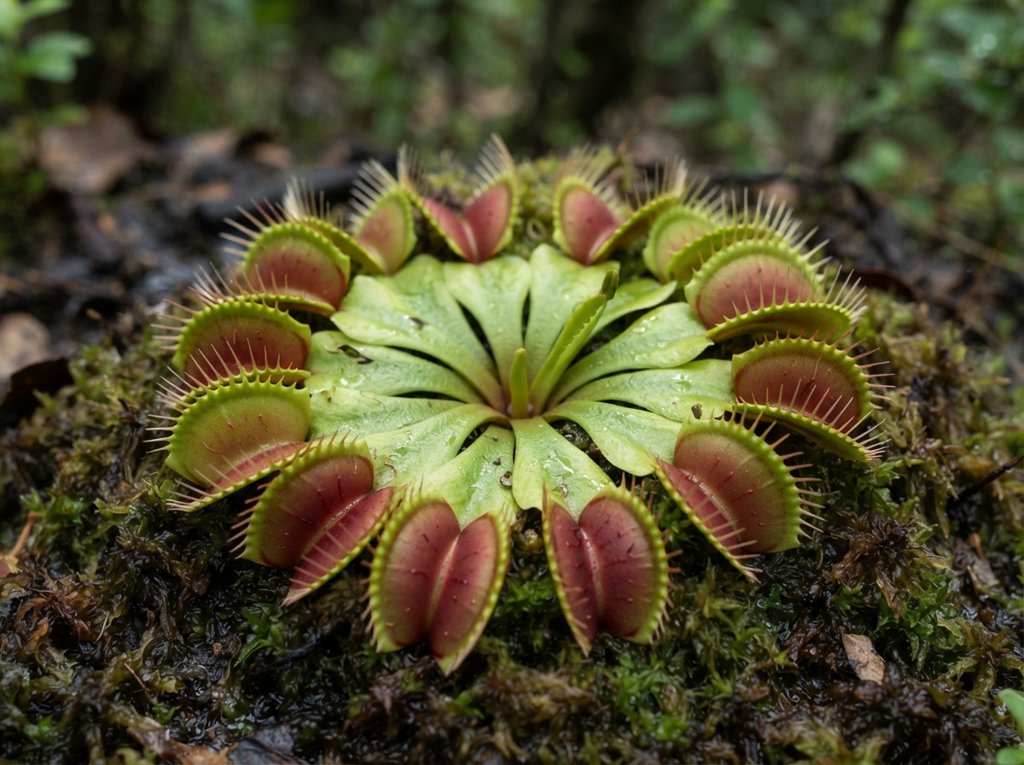
A Venus flytrap counts: it shuts only after two touches, and starts digesting after five.
Sunflower
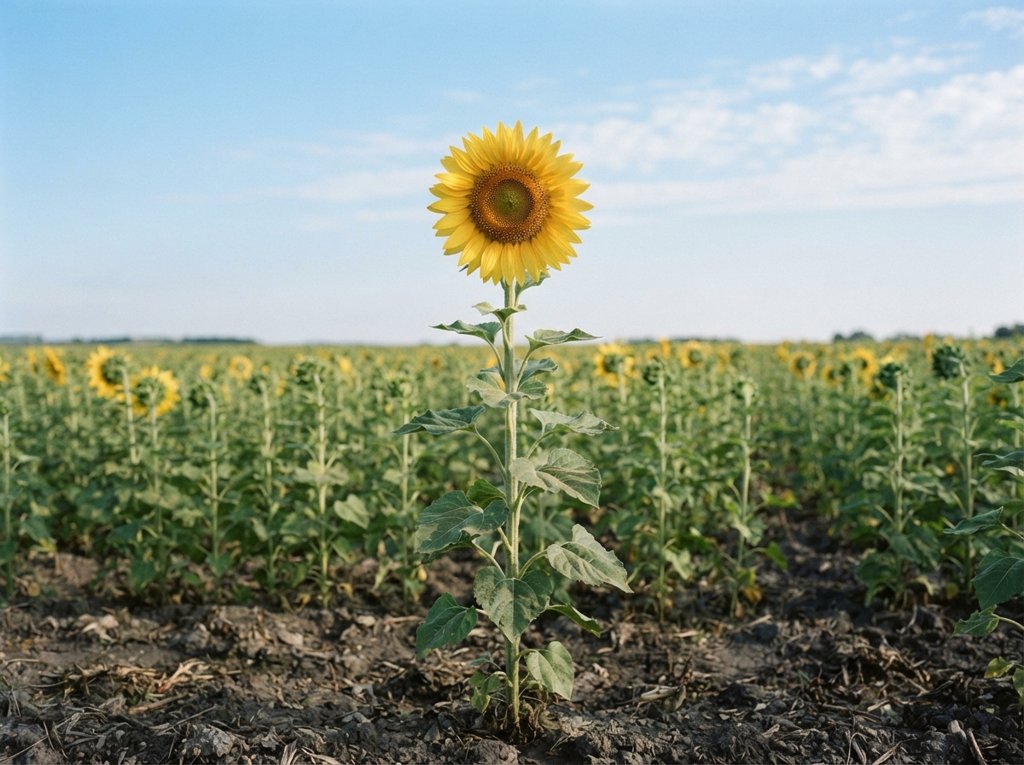
Young sunflowers follow the Sun all day and turn back east overnight; grown-up ones just face east.
Redwood
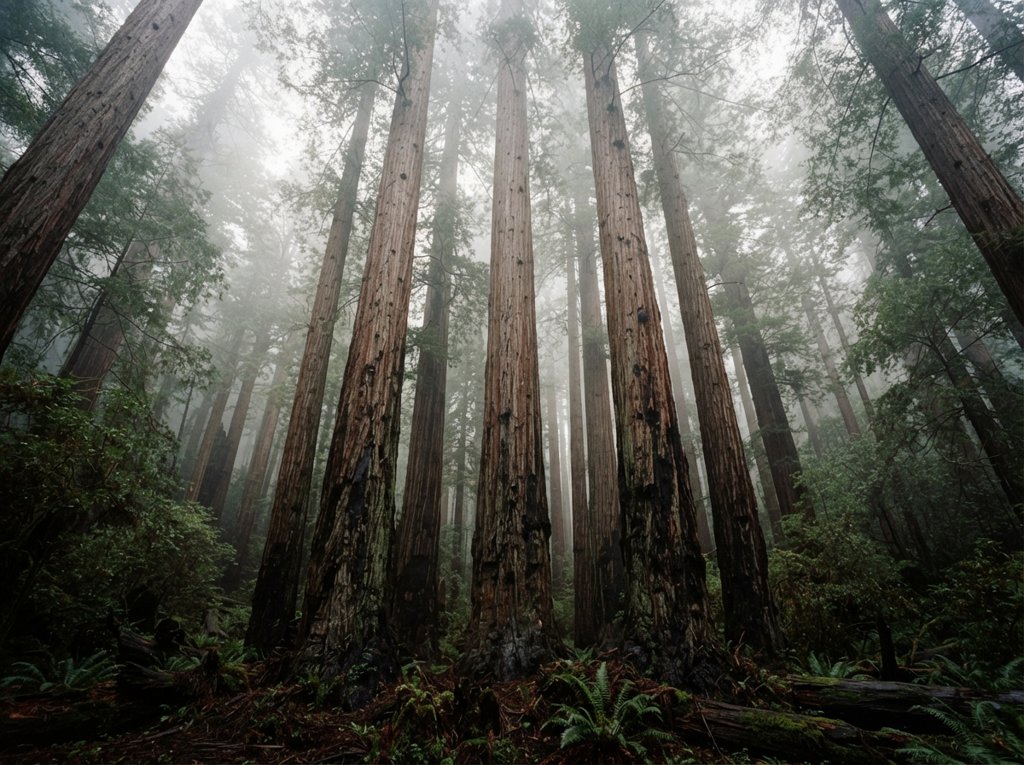
The world’s tallest known tree is a redwood called Hyperion, and its location is kept secret.
Honey fungus
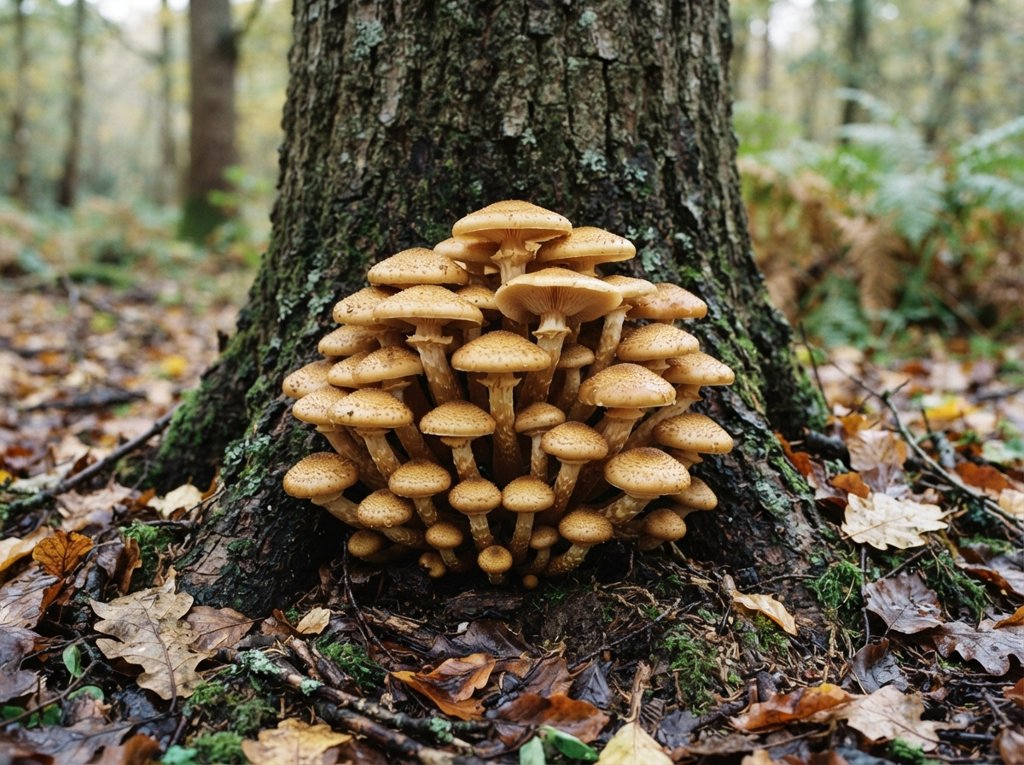
A single honey fungus in Oregon covers nearly 10 square kilometres, mostly underground.