Asteroid
A spacecraft passing through the asteroid belt is less likely to hit an asteroid than to get bored.
Moon landing
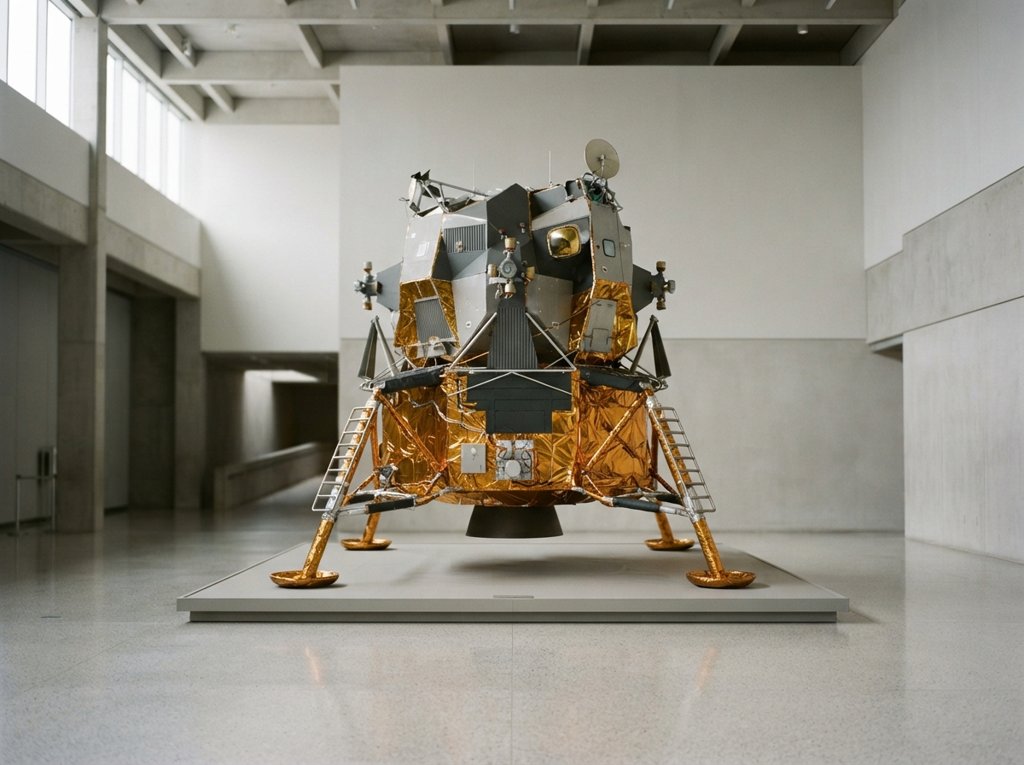
The first Moon landing took place in July 1969, after which the crew filled in a customs form.
Comet
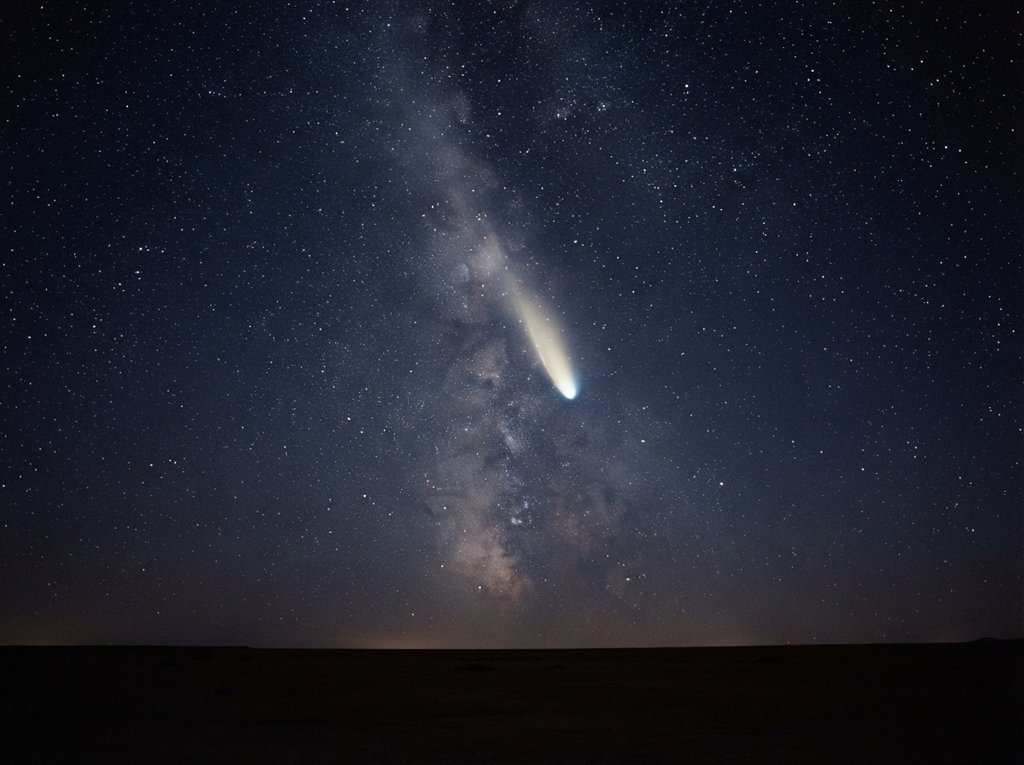
On its way out from the Sun, a comet travels tail-first, which astronomers politely call reversing.
Sunlight

Sunlight takes about eight minutes to reach Earth, so the Sun you see is eight minutes out of date.
Pluto
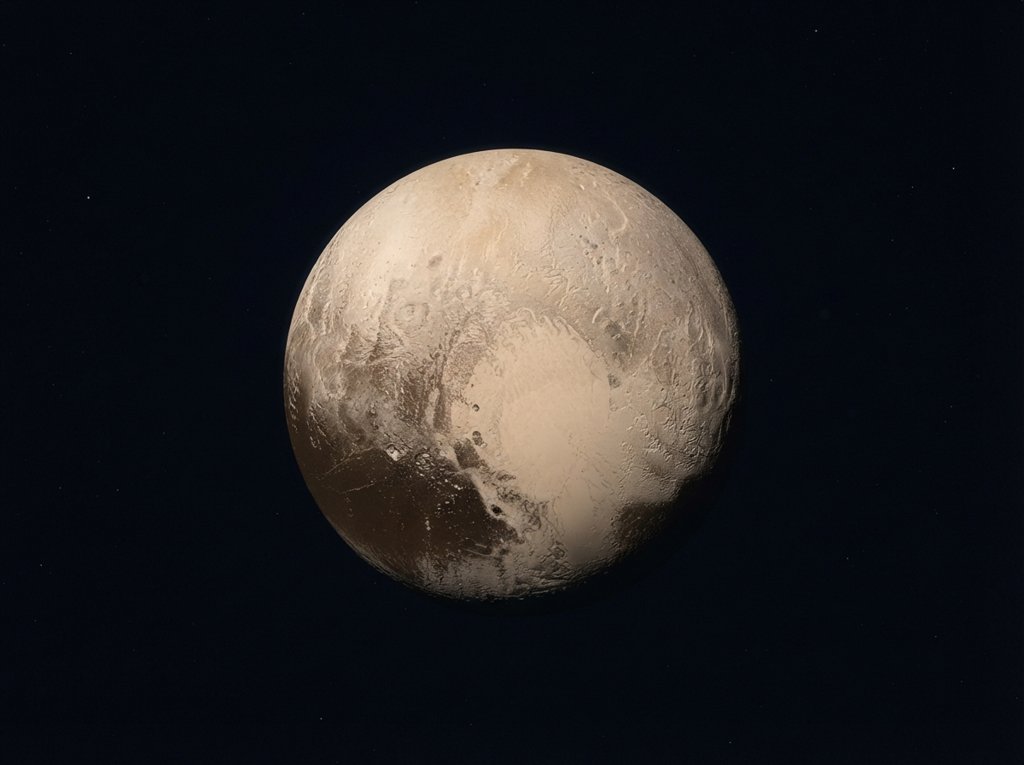
Pluto was discovered in 1930 and won’t finish its first orbit since then until 2178.
Mars
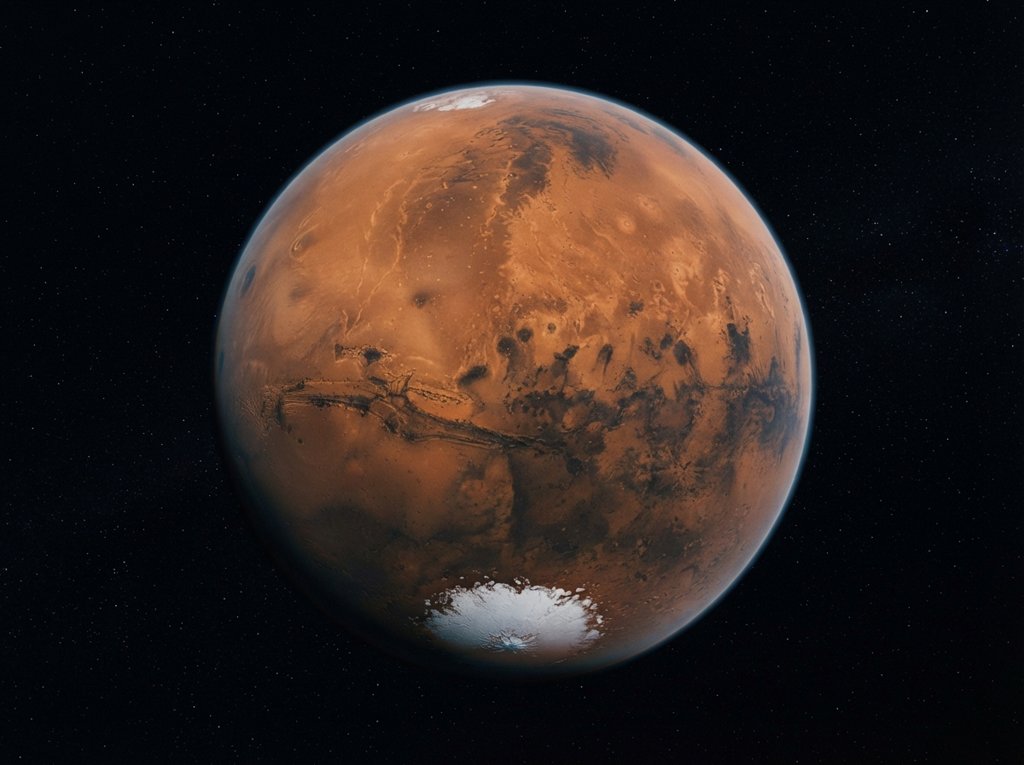
Mars is famous as the Red Planet, yet its sunsets are blue, which nobody had ordered.
Jupiter
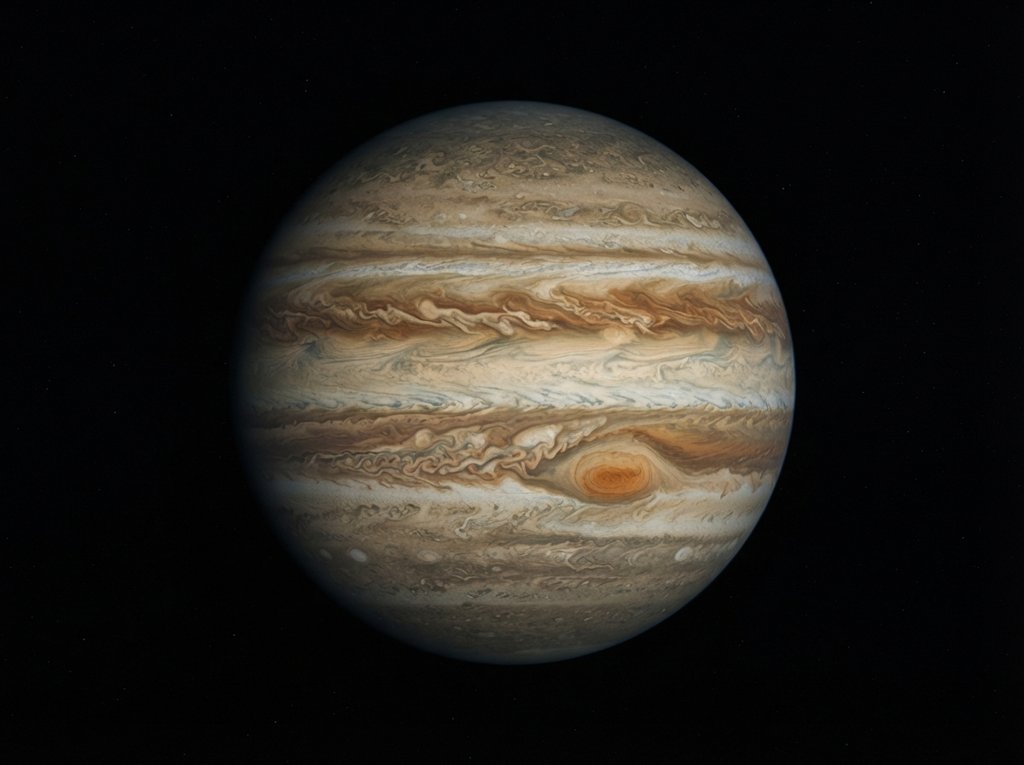
Jupiter has had a storm bigger than Earth raging for at least 190 years, and a day just ten hours long.
Saturn
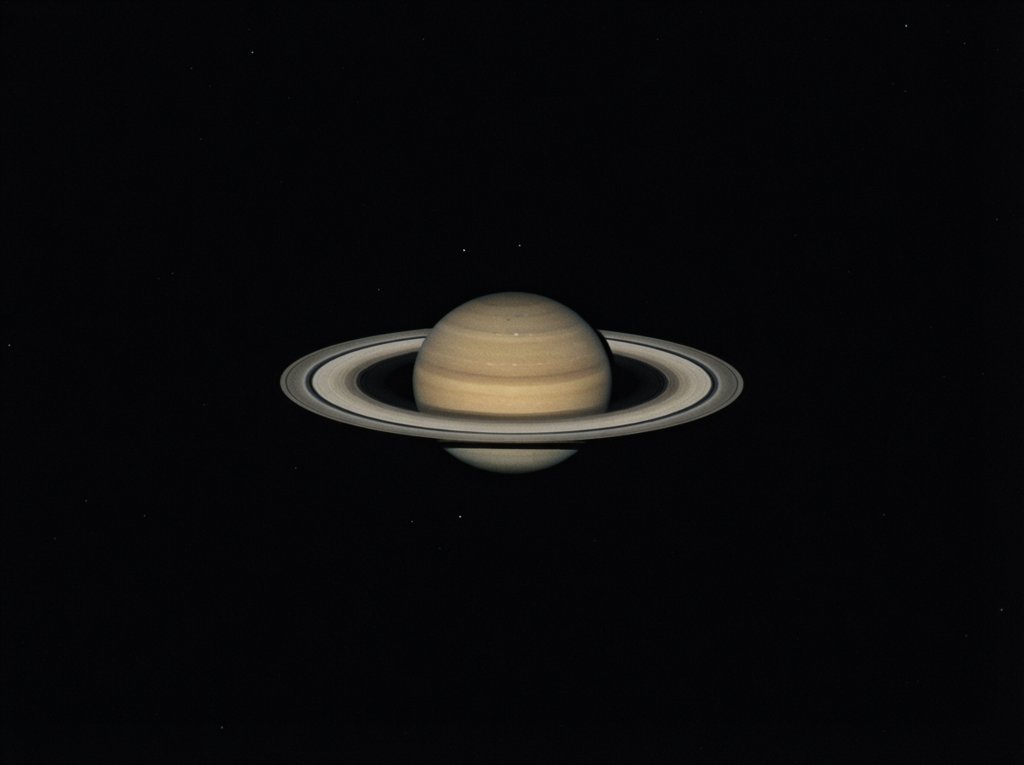
Saturn is less dense than water, so it would float in a bath, if anyone had a big enough bath.
Neptune
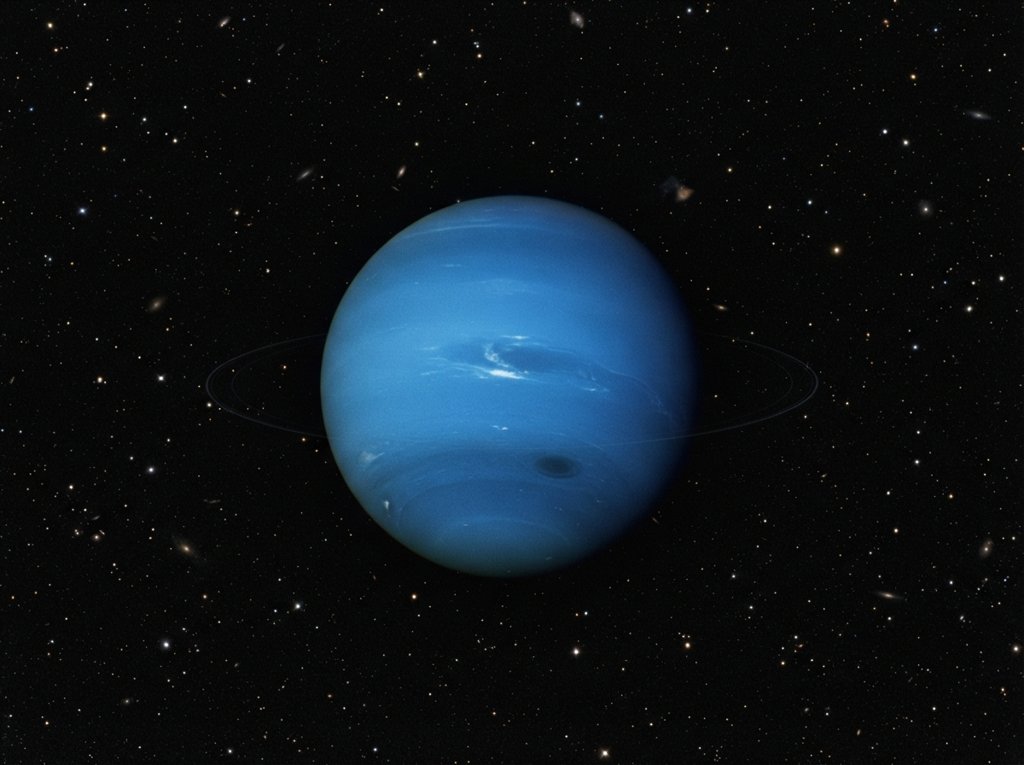
Neptune takes 165 years to orbit the Sun, so it completed its first orbit since discovery in 2011.
Venus
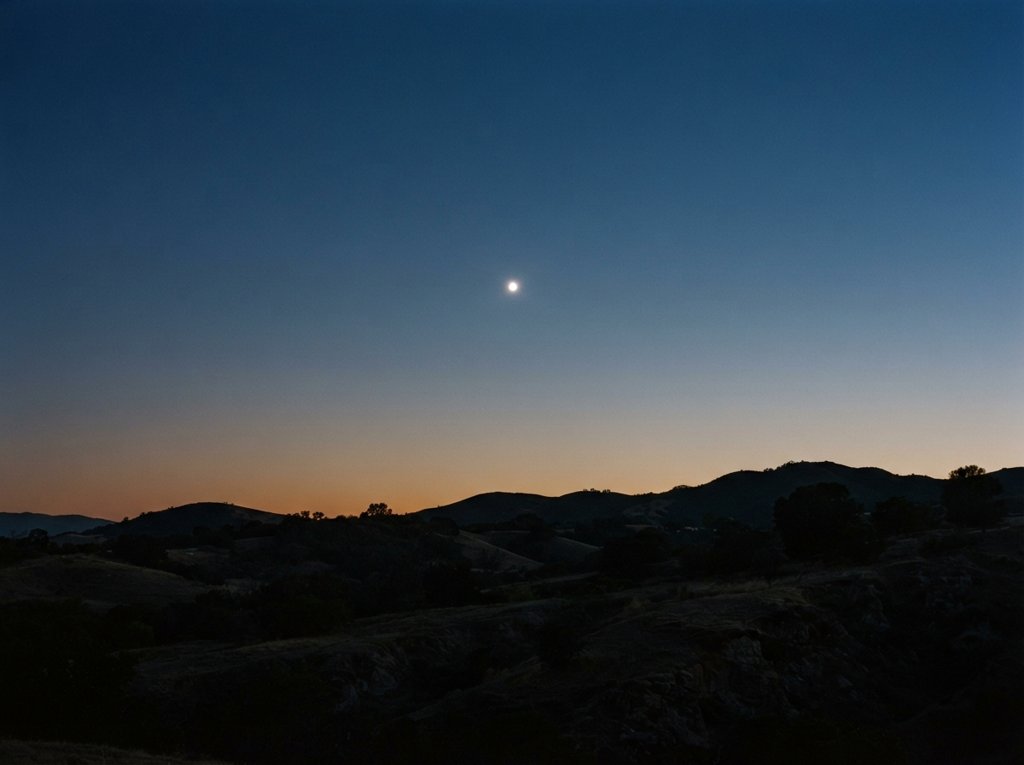
Venus takes longer to turn once on its axis than to go all the way round the Sun.